
Building Block RFQ Checklist: What Buyers Should Prepare
A practical request-for-quotation checklist for building block buyers covering company details, products, quantities, packaging, target market, shipping, and timeline.

A clear request for quotation helps a building block manufacturer understand what the buyer is trying to source and what information must be reviewed before pricing can be discussed. An RFQ does not need to answer every detail, but it should be specific enough to separate a catalog wholesale request from private label, OEM, ODM, or product co-development.
Sending only “please send price” usually creates another round of questions. The checklist below helps retailers, distributors, ecommerce sellers, gift buyers, and brand partners prepare a more useful first inquiry.
Introduce the Company and Sales Channel
Start with the company name, country or region, website or sales channel, and the type of business. Explain whether the products will be sold through physical retail, distribution, Amazon, another marketplace, social commerce, gifting, or a brand-owned store.
This context helps the supplier understand packaging expectations, assortment structure, product information needs, and the likely order pattern. It also helps distinguish a consumer question from a business sourcing request.
Include the contact person's name, business email, and preferred communication method. If several people will review the project, identify who owns product selection and who handles commercial or shipping questions.
Specify the Product Direction
List the product categories or SKUs you want to review. If exact SKUs are not known, describe the themes, approximate model size, intended audience, and sales channel. Reference images can be useful when they communicate a product direction, but they should not be presented as authorization to copy another brand's protected design.
Buyers can browse JIESTAR product categories before sending the RFQ. Note the products or categories that appear relevant and explain why they fit the market.
A strong product section may include:
- Exact SKU or catalog reference when available
- Product category or theme
- Intended customer and recommended retail environment
- Preferred piece-count or finished-size range
- Required product information and photography
- Whether substitutes or related recommendations are acceptable
Provide an Estimated Quantity Range
Quantity affects product selection, packaging options, production planning, and commercial review. Provide a realistic range even if the final order has not been confirmed. State whether the estimate is per SKU or for the total assortment.
If the order may mix several SKUs, explain the preferred mix. Do not assume that every product and every packaging option has the same MOQ. The supplier needs to review the selected products, stock or production situation, packaging scope, and order structure before confirming requirements.
Our guide to wholesale MOQ, pricing, packaging, and shipping explains why these factors need to be considered together.
Clarify Packaging and Branding Needs
State whether the inquiry is for standard catalog packaging, market-specific packaging discussion, private label, or a deeper custom project. If branding is required, provide the logo format, packaging references, languages, label needs, and any manual requirements that are already known.
Packaging changes can affect sampling, cost, quantity requirements, and timeline. Mention them in the first RFQ instead of adding them after a catalog quote has been prepared.
If the product itself also needs to change, the request may belong under custom building block solutions rather than a standard wholesale quotation.
Explain the Target Market and Requirements
Identify the destination country or region and any known market or retailer documentation requirements. Do not ask a supplier to make a broad compliance promise without specifying the product and destination. Documentation review depends on the actual product, market, and project scope.
If a retailer, marketplace, or distributor has its own labeling, carton, testing, or file requirements, include the checklist with the RFQ. JIESTAR provides an overview of its process on the quality and safety page, but project-specific requirements still need direct review.
Add Shipping and Timing Information
Provide the destination city, country, or port and the preferred shipping method if known. Explain whether the buyer needs an initial order, a sample review, or a repeat supply program. Package size, carton data, order quantity, destination, and delivery expectations all influence the practical discussion.
Share the target launch date and any fixed retailer deadline, but treat it as a request until product, production, packaging, and shipping feasibility have been confirmed. Avoid planning a public launch around an unreviewed estimate.
Attach the Right Files
Useful attachments can include:
- A shortlist of SKUs or product categories
- Company profile or sales-channel information
- Packaging reference and brand guidelines
- Logo files when private label is requested
- Target-market requirements supplied by the buyer's retailer or marketplace
- A simple quantity table by SKU
- Destination and preferred shipping terms for discussion
Use clear filenames and explain what each attachment is intended to show. Remove confidential information that is not required for the opening review.
Send the Inquiry to the Right Route
Use the wholesale inquiry page for existing product supply, catalog selection, and channel procurement. Use Custom Solutions when the request includes OEM, ODM, product co-development, exclusive SKU planning, or substantial packaging and brand customization.
If the correct route is unclear, use the general contact page and describe the intended cooperation type. A concise, structured RFQ is more valuable than a long message without product or quantity direction.
Frequently Asked Questions
Can I request pricing without exact SKUs?
You can start the discussion with categories and requirements, but specific commercial review normally becomes more useful after the product direction and quantity range are narrowed.
Should an RFQ include a target price?
If a genuine target exists, sharing it can help the supplier understand the market position. It should be accompanied by product, packaging, quantity, and destination information rather than treated as the only requirement.
What is the difference between a wholesale RFQ and a custom project brief?
A wholesale RFQ focuses on existing product supply and order terms. A custom brief also defines product development, branding, packaging, exclusivity, or other changes that require additional feasibility review.
Explore JIESTAR
Browse building block sets or contact JIESTAR for wholesale supply, OEM / ODM customization, product co-development, and sub-brand partnerships.
Continue reading
Related articles
Wholesale Tips
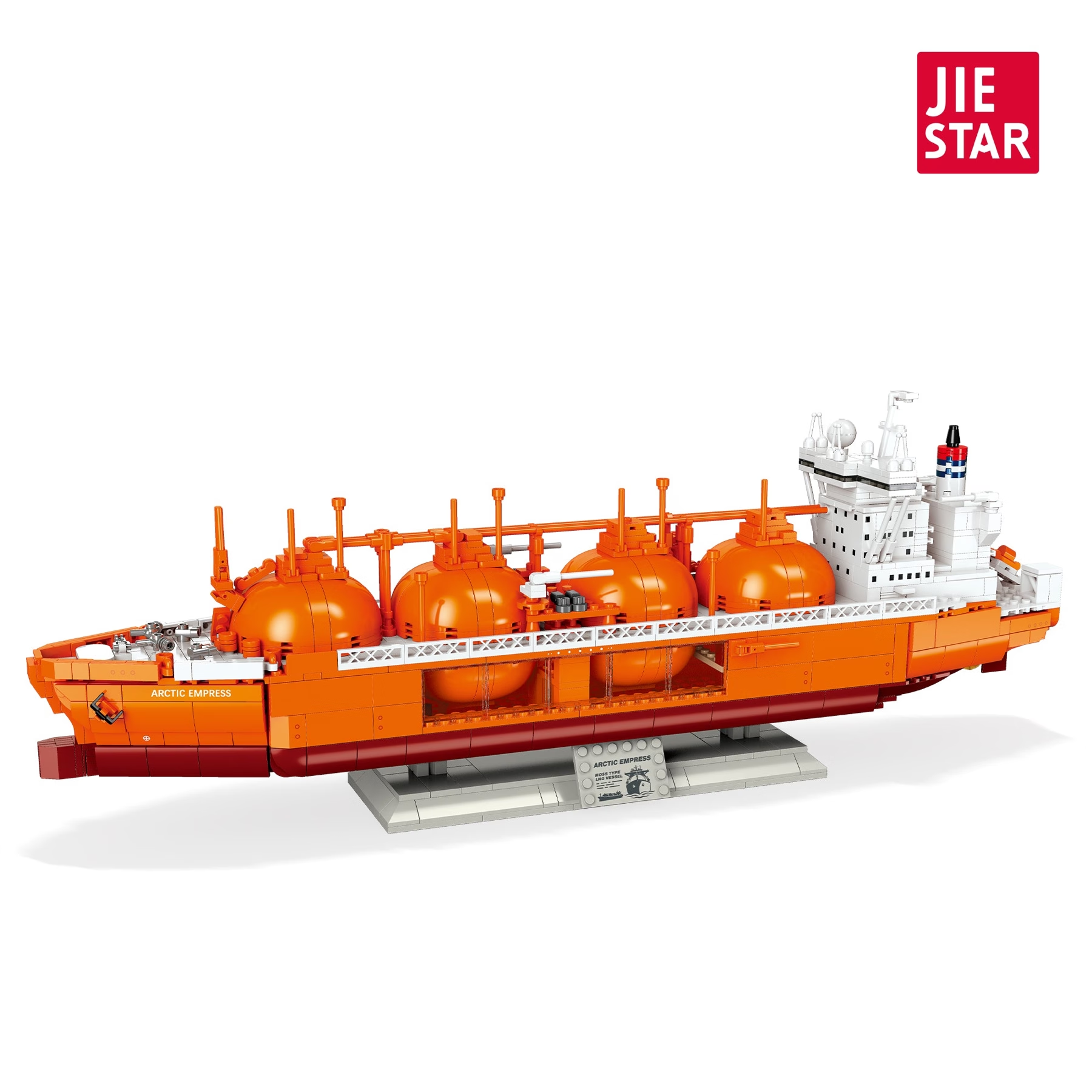
Wholesale Ship Building Block Sets: Display and Packaging Checklist
Oct 15, 2026 · 4 min read
Wholesale Tips
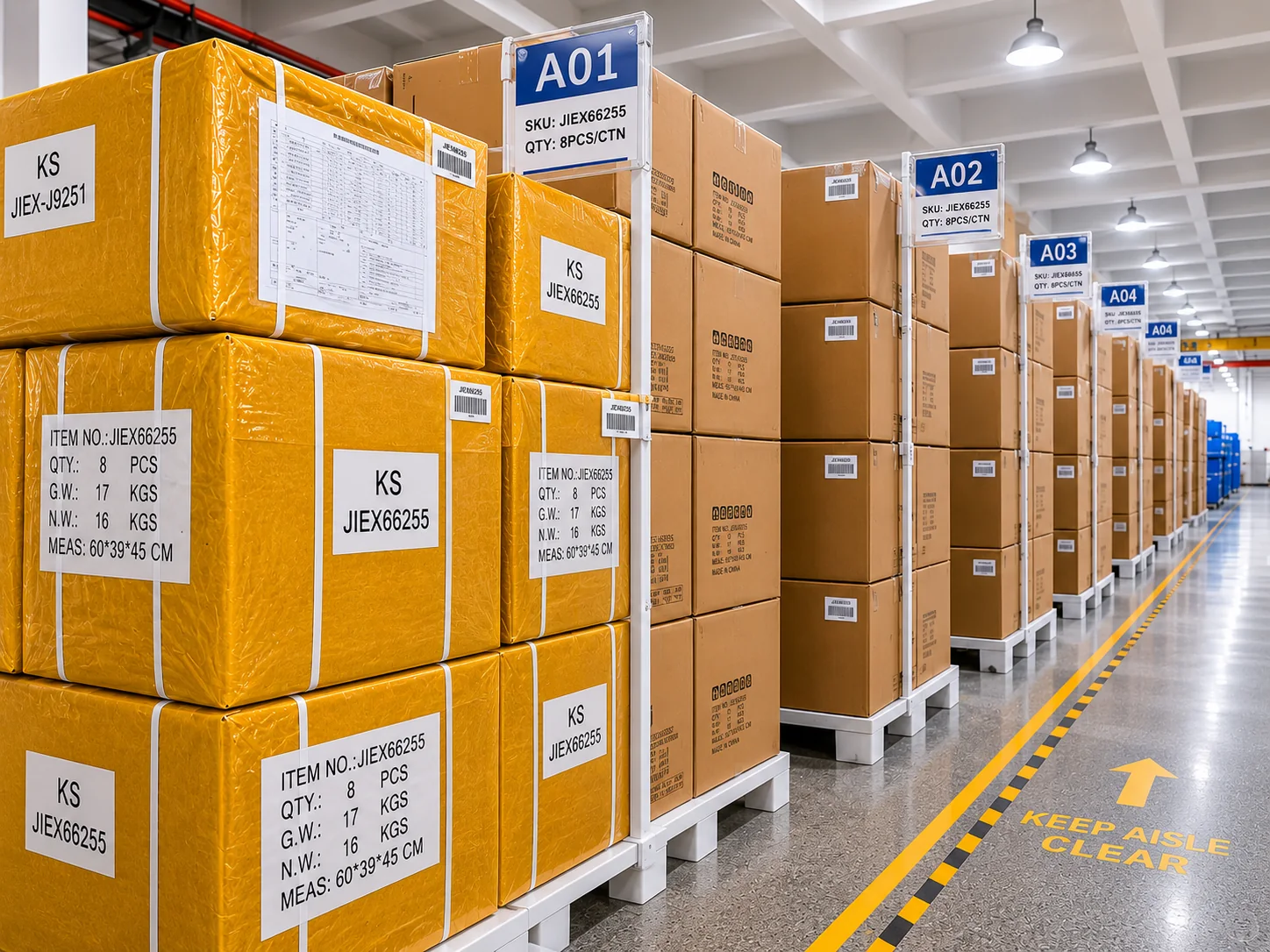
How Amazon Sellers Can Source Building Block Sets from a Manufacturer
Jul 2, 2026 · 3 min read

Wholesale Tips
Building Block Sets Wholesale: MOQ, Pricing, Packaging and Shipping
Jul 2, 2026 · 4 min read