
How to Build a Building Block Product Line with a Manufacturer
A step-by-step guide for retailers and brands planning a coherent building block product line with a manufacturer, from market brief to launch-ready assortment.
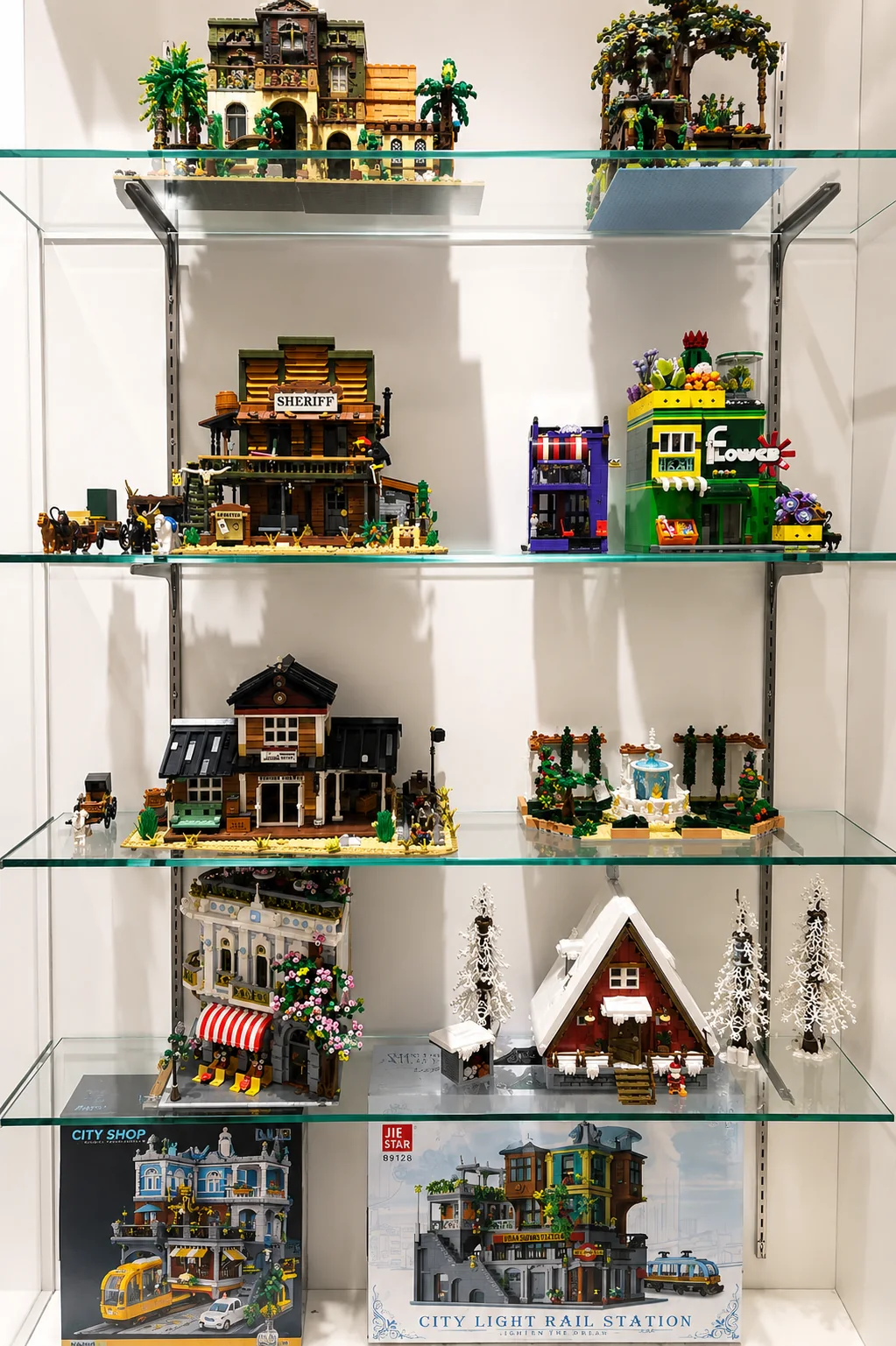
A building block product line should feel like a connected offer, not a random collection of attractive models. Retailers, distributors, and brand partners need an assortment that fits their audience, sales channel, price direction, packaging system, and launch calendar. The manufacturer needs a clear brief so product selection and development decisions can be reviewed together.
This process may use existing catalog products, adjusted products, private label packaging, new development, or a combination of these routes. The right structure depends on the market goal. JIESTAR's custom building block solutions cover OEM and ODM discussion, product co-development, exclusive SKU planning, and longer-term product cooperation.
Define the Customer and Sales Channel
Start with the person who will buy the product. A line for adult display collectors will require different subjects, model sizes, photography, and packaging from a line intended for family gifting. An Amazon assortment may prioritize listing clarity and parcel planning, while a physical retailer needs shelf impact and a coherent range at several product sizes.
Prepare a short market statement that includes target country or region, buyer type, sales channel, intended category, and launch occasion. Avoid broad descriptions such as “products for everyone.” A narrower brief helps the manufacturer recommend relevant directions and identify gaps.
Choose a Clear Product-Line Logic
A useful product line needs a reason for the SKUs to sit together. That logic might be:
- One theme, such as trains, flowers, architecture, or vehicles
- One audience, such as collectors, gift buyers, or family builders
- One display scale or compatible visual world
- A good-better-best structure across size and complexity
- A seasonal or campaign story
- A sequence designed for future expansion
The first assortment does not need many SKUs. A smaller line with clear roles can be easier to present, stock, and evaluate than a broad launch with overlapping products.
Review JIESTAR product categories to identify existing directions before deciding which products require deeper customization.
Decide What Should Be Existing, Adapted, or New
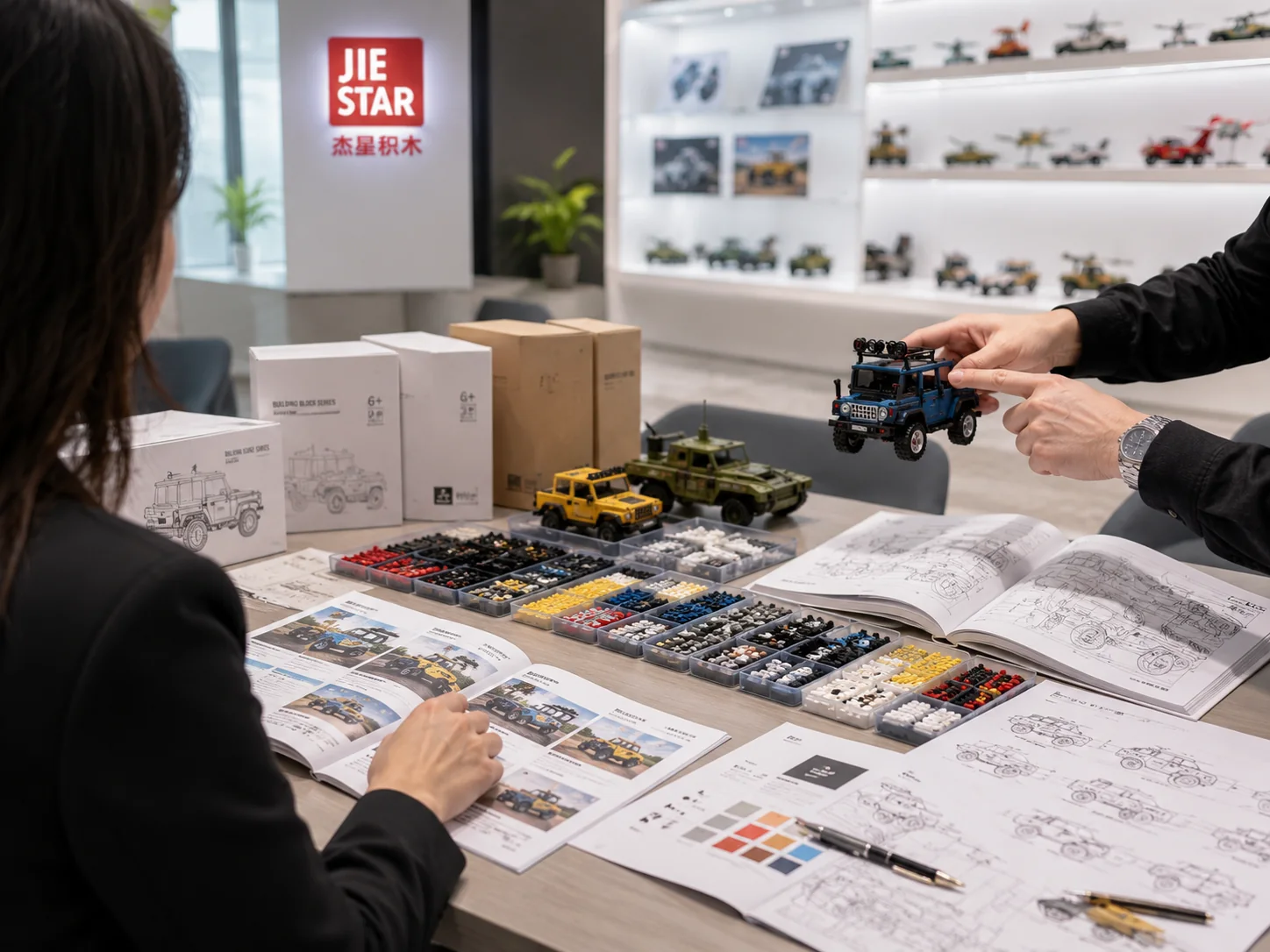
Existing catalog products may provide a faster route when the main need is product selection and supply. OEM discussion may focus on brand presentation, packaging, manuals, or market-specific requirements. ODM or product co-development becomes more relevant when the model, structure, subject, or product-line concept needs meaningful differentiation.
Separate the assortment into three groups:
- Products that may work from an existing catalog direction
- Products that need packaging or presentation changes
- Products that require new development or exclusive planning
This prevents every SKU from becoming a full custom project and helps the team focus development effort where differentiation matters most. Our guide to OEM versus ODM building blocks explains the distinction in more detail.
Build an Assortment, Not Just Individual Models
Each SKU should have a role. One product may attract attention in campaign photography. Another may provide an accessible entry point. A larger model may communicate the depth of the line even if it is not expected to be the highest-volume item.
Compare the proposed products side by side. Check whether several SKUs are too similar in subject, finished size, or visual impact. Look for missing steps between small and large products. Consider how the line appears on a retailer shelf, collection page, wholesale catalog, or trade show table.
Avoid inventing sales forecasts before there is market evidence. Quantity planning should be based on the partner's channel knowledge, available budget, launch plan, and the manufacturer's confirmed production discussion.
Align Packaging and Product Information
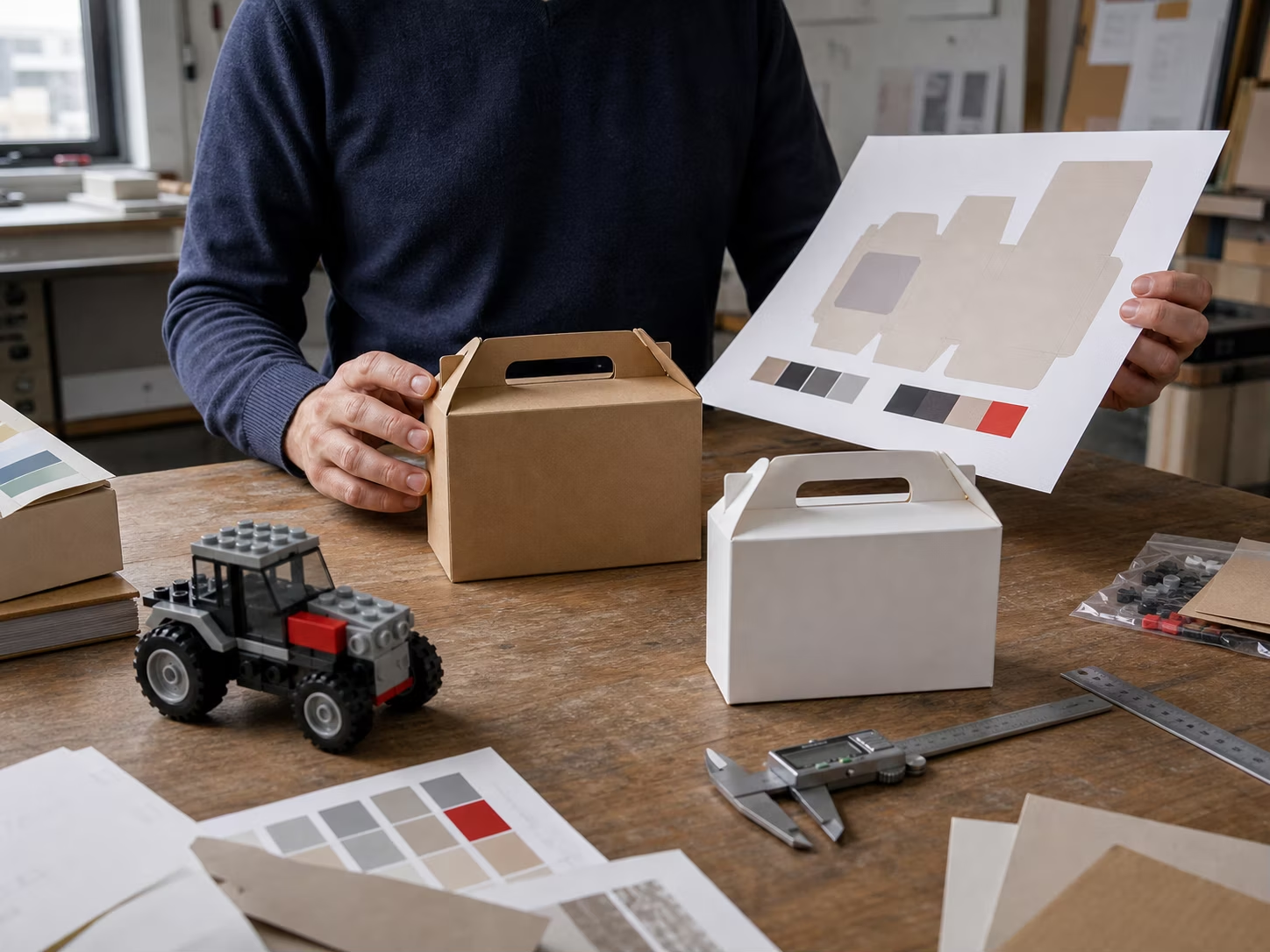
Packaging should help the line read as one family. Prepare logo files, language needs, product naming direction, required information hierarchy, and reference packaging. Confirm which elements need to remain consistent across every SKU and where product-specific details can change.
Product information also needs a shared structure. Titles, SKUs, piece counts, recommended ages, finished dimensions, package sizes, and product imagery should be organized consistently. This supports retail listings and makes the wholesale catalog easier to review.
Packaging depth can affect MOQ, cost, samples, and timeline, so discuss it before the product list is treated as final. See the guide to custom packaging for building block toys for preparation details.
Review Samples as a System
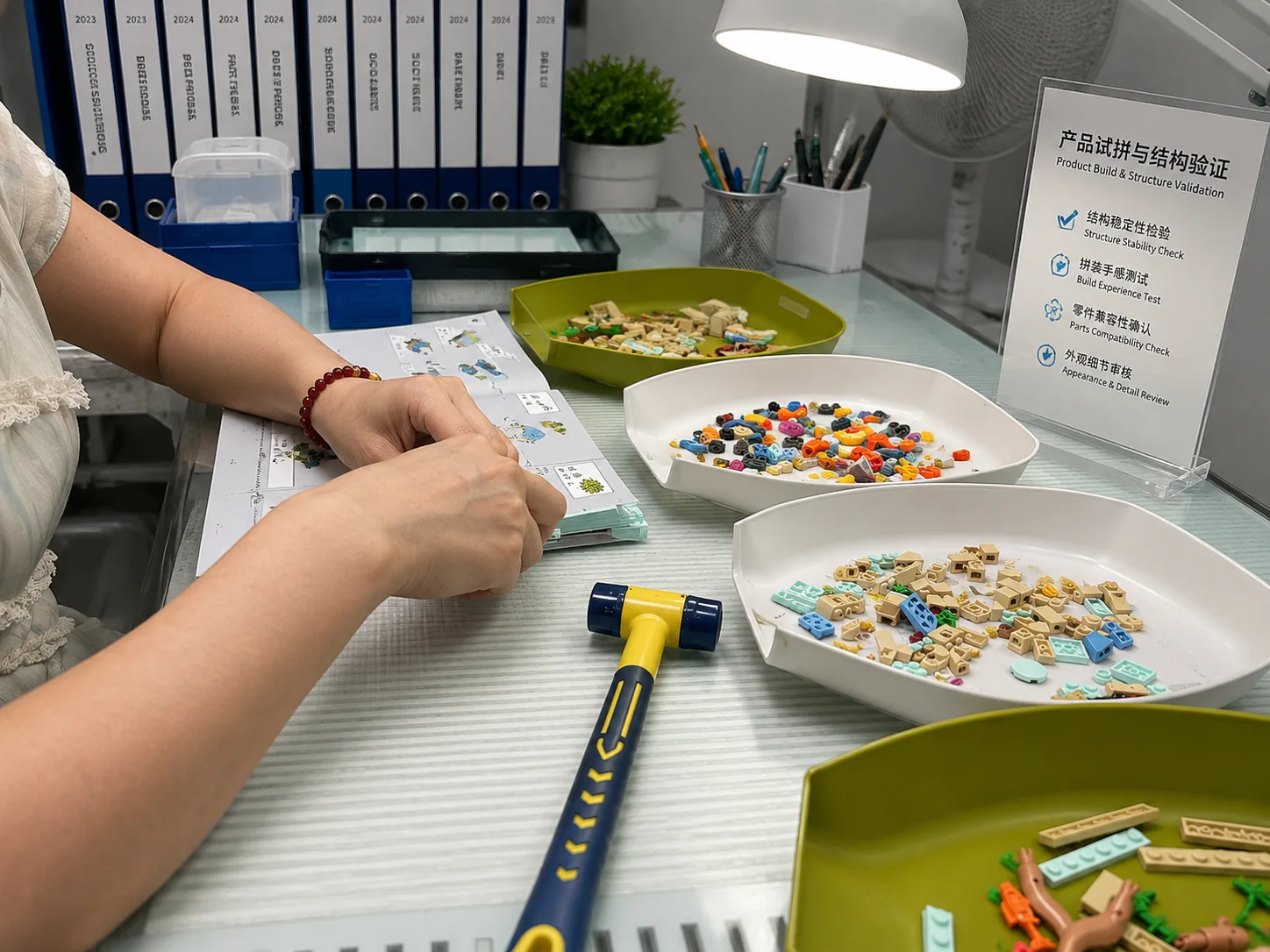
Samples should be evaluated individually and as a group. Review building experience, structure, appearance, parts organization, instructions, packaging presentation, and how the models look together. Record feedback by SKU and separate essential corrections from optional preferences.
If the line includes new development, allow room for feasibility review and iteration. Do not publish fixed launch promises until the manufacturer has reviewed product complexity, packaging scope, quantity direction, and sample requirements.
Plan the Next Line Before Launch
A product line becomes more useful when it can grow. Identify which themes could support a second release, which successful form factors could continue, and which data the partner will review after launch. The next decision should be based on real sales and customer feedback rather than assumptions made during development.
Partners can use the JIESTAR contact page to share a product-line brief or start with a wholesale inquiry when the immediate need is existing catalog supply.
Frequently Asked Questions
How many SKUs should a first product line include?
There is no universal number. The right size depends on channel, budget, category depth, packaging scope, and quantity planning. A focused line with distinct SKU roles is usually more useful than a large assortment with heavy overlap.
Can a product line combine catalog and custom products?
Yes, subject to review. Existing directions can support assortment breadth while selected custom or exclusive products provide differentiation. The manufacturer must review feasibility and commercial requirements for each group.
What should a partner prepare first?
Prepare the target market, audience, channel, category direction, preferred assortment structure, quantity range, packaging needs, launch timing, and references. A clear brief makes the opening review more productive.
Explore JIESTAR
Browse building block sets or contact JIESTAR for wholesale supply, OEM / ODM customization, product co-development, and sub-brand partnerships.
Continue reading
Related articles
Custom Solutions
Custom Building Block Sets: From Concept to Mass Production
Jul 2, 2026 · 4 min read
Custom Solutions
Custom Packaging for Building Block Toys: What Buyers Need to Prepare
Jul 2, 2026 · 4 min read
Custom Solutions
OEM vs ODM Building Blocks: Which Is Better for Your Brand?
Jul 2, 2026 · 4 min read