
Custom Packaging for Building Block Toys: What Buyers Need to Prepare
Prepare custom packaging for building block toys: define box contents, artwork, manuals, language versions, sample approvals, and carton information.
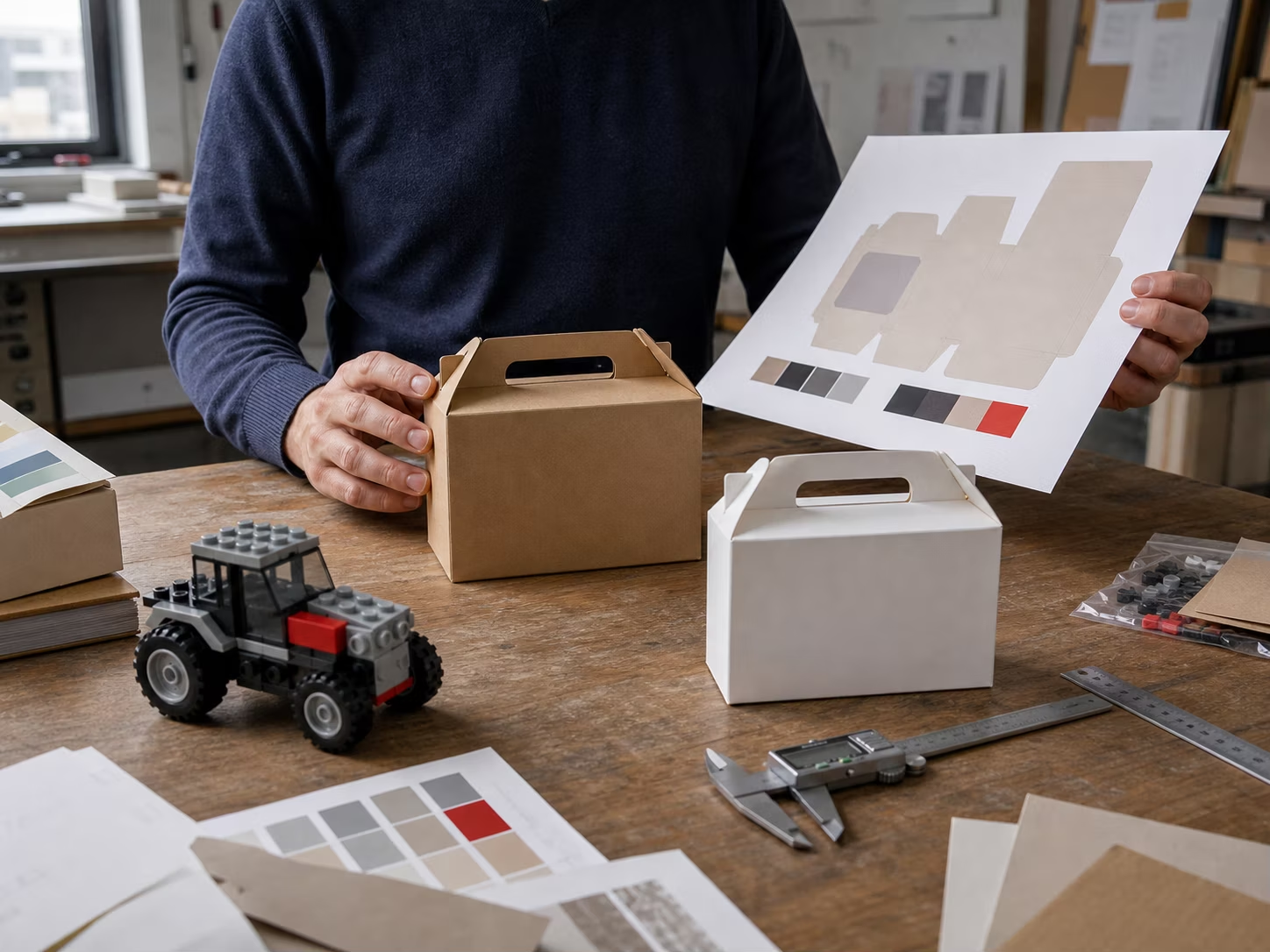
A custom building block box needs to fit the product, communicate its contents and work with the intended sales channel. A clear packaging brief connects the retail box, building instructions, labels and shipping carton before artwork is approved.
This guide is for buyers preparing packaging changes to selected products or a new custom set. It describes information to agree with the project team, not a fixed packaging offer or production schedule.
Define What Is Inside the Retail Pack
Start with the selected SKU or model concept. List the intended contents, including building pieces, instructions and any separately confirmed accessories. Identify whether the project changes only the printed artwork or also the box structure, internal arrangement or product itself.
Ask which existing packing measurements can be used and which need rechecking. A model's assembled size is not the same as the retail box size, and neither substitutes for shipping-carton dimensions. Confirm those measurements for the proposed pack before approving freight estimates.
Prepare the Artwork and Language Brief
Supply the brand assets available for use, along with the following inputs:
- Logo files and brand color references
- Product name, SKU and the information required on each box panel
- Approved product imagery and intended image placement
- Required language versions and the person approving each text version
- Instruction format and any manual changes
- Barcode or label requirements supplied by your retail or distribution channel
- Packaging references that explain the desired format or finish
Ask the supplier which production-file formats and layout template to use. Confirm dimensions and dieline version before final artwork preparation; do not size a print file from a reference photograph.
Separate Packaging Branding from Product Changes
A logo on the box is different from printing on a building element or changing the model's colors. Identify these requests separately so they can be reviewed and quoted against the correct scope.
If you are building an own-brand range, read the private label guide. If the model itself needs development, use the OEM and ODM planning guide alongside the packaging brief.
Check Product Information Before Printing
Match the product name, SKU, piece count, age recommendation and included items to the selected product record and approved sample. Review instructions against the model version that will be supplied. A translated box alone does not resolve the rest of a destination-market documentation review.
Identify which market information your team needs to check and ask what product-specific records are available. Use Quality and Safety as the starting point for those questions. Do not copy marks or claims from an unrelated product's packaging.
Agree a Proof and Sample Approval Sequence
Review the artwork proof
Check spelling, languages, image selection, panel orientation and product references. Confirm the print-layout version and list corrections in one consolidated response. Assign a single approval contact so separate comments do not result in conflicting versions.
Review the proposed physical pack
Discuss whether a physical packaging sample is needed and what it will represent. Check fit, intended contents, opening method and the way instructions and parts are arranged. Confirm material, finish or color questions through the agreed sample process rather than assuming a screen preview answers them.
Record the approved production version
Keep an approval record for the artwork, model reference and packing specification. Resolve open changes before authorizing production. If the contents, language or structure changes later, ask which checks and quotation details need to be repeated.
Ask About MOQ, Cartons and Costs Together
State quantities per SKU and per printed version. Ask whether box printing, instructions, labels and product supply have different quantity requirements. Confirm sample charges, preparation costs and any other separately priced work for the proposed scope.
For logistics, request units per shipping carton, carton measurements and gross weight. Explain the destination and any handling requirements from your receiving facility. The wholesale MOQ and shipping guide provides a quotation comparison checklist.
FAQ
Can packaging change while the model stays the same?
That can be discussed for selected products. Confirm product suitability, approved branding, quantities and the packing scope before treating it as an available option.
Do I need final print files to start an inquiry?
No. Product references, quantities, brand direction and language needs can start the review. Production files and approvals will still be needed for the agreed packaging work.
Does a digital proof replace a physical sample?
They answer different questions. A proof helps review artwork and text; a physical sample can help review fit and handling. Agree which checks your particular project needs.
Send Your Packaging Brief
Share the selected models, quantity per version, target market, artwork references and required dates through Custom Solutions. For standard packaging with existing products, use wholesale inquiries.
Explore JIESTAR
Browse building block sets or contact JIESTAR for wholesale supply, OEM / ODM customization, product co-development, and sub-brand partnerships.
Continue reading
Related articles
Custom Solutions
How to Build a Building Block Product Line with a Manufacturer
Jul 10, 2026 · 5 min read
Custom Solutions
Custom Building Block Sets: From Concept to Mass Production
Jul 2, 2026 · 4 min read
Custom Solutions
OEM vs ODM Building Blocks: Which Is Better for Your Brand?
Jul 2, 2026 · 4 min read