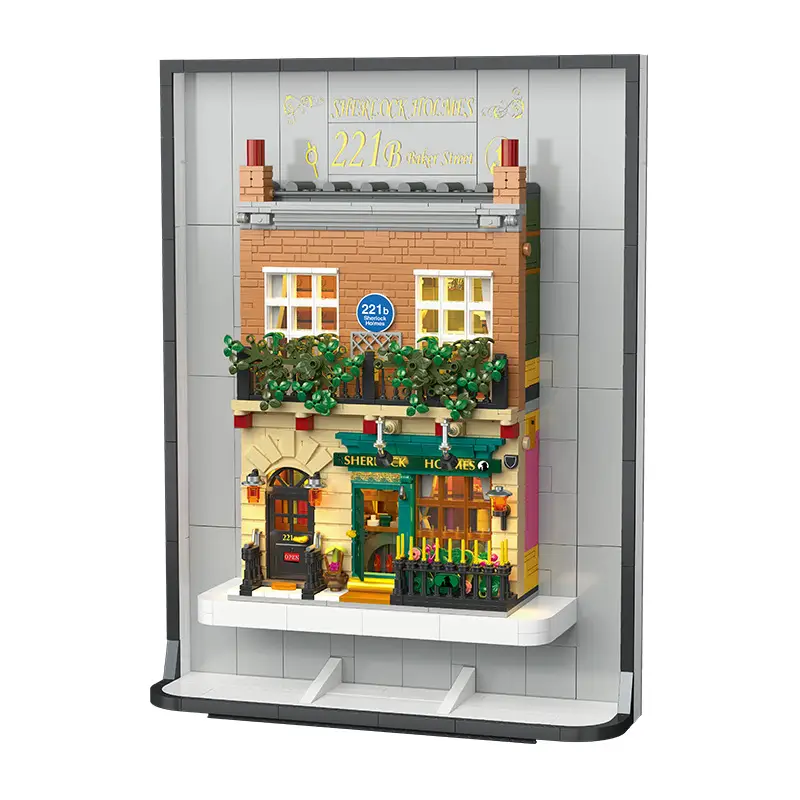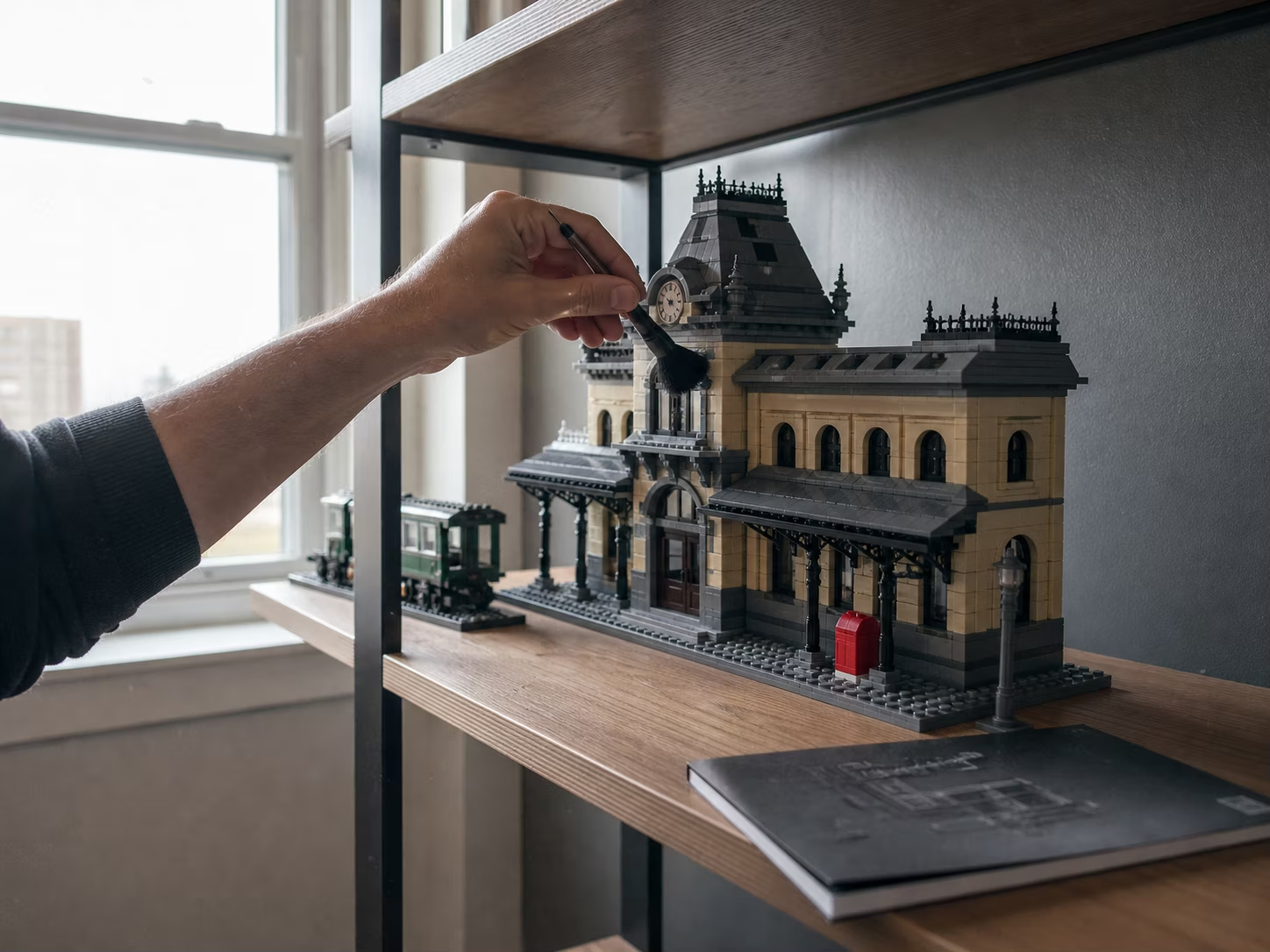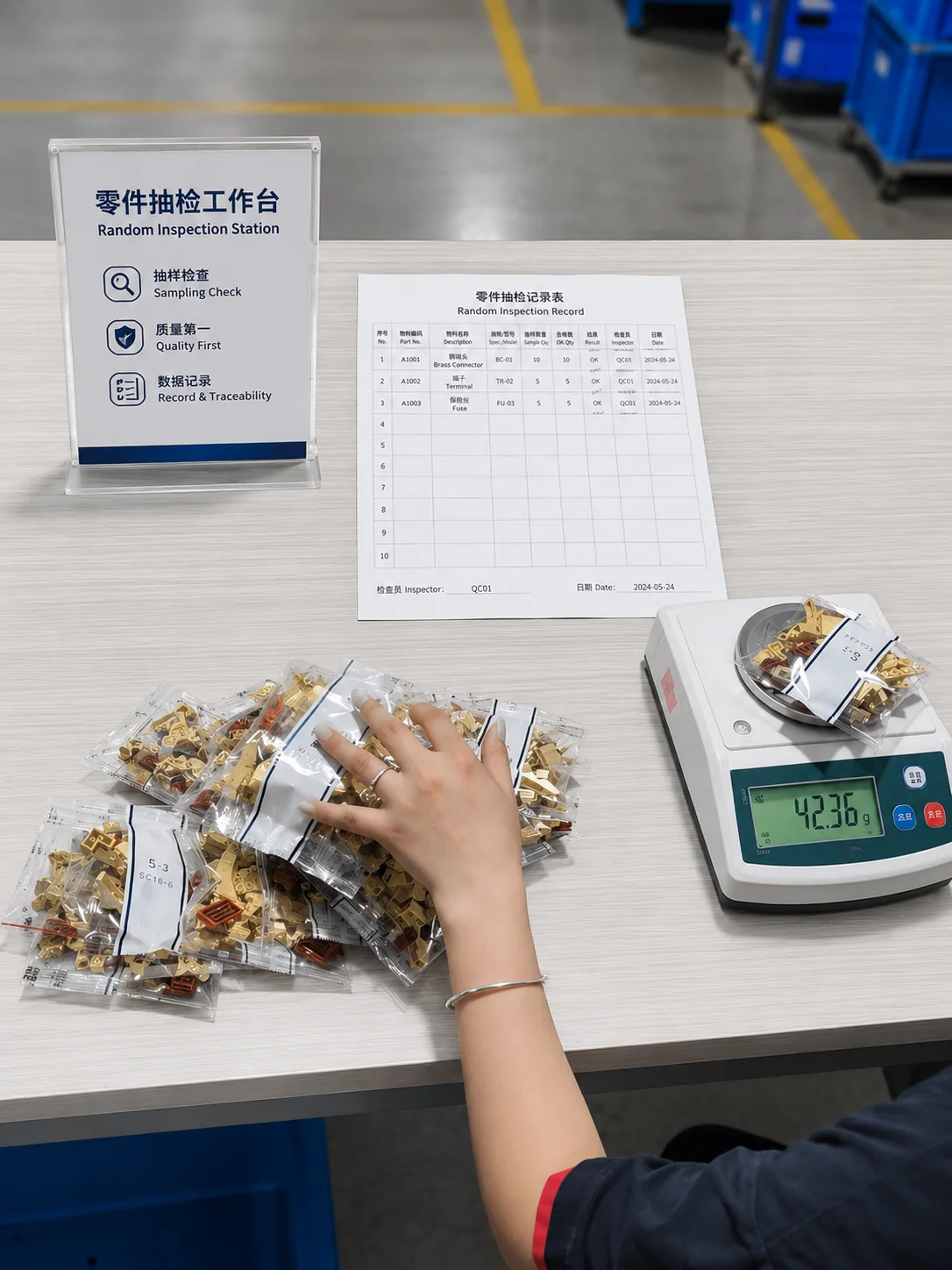
How to Choose a Building Block Set by Age, Piece Count and Difficulty
A clear guide for comparing recommended age, piece count, instructions, model structure, and builder experience when selecting a building block set.
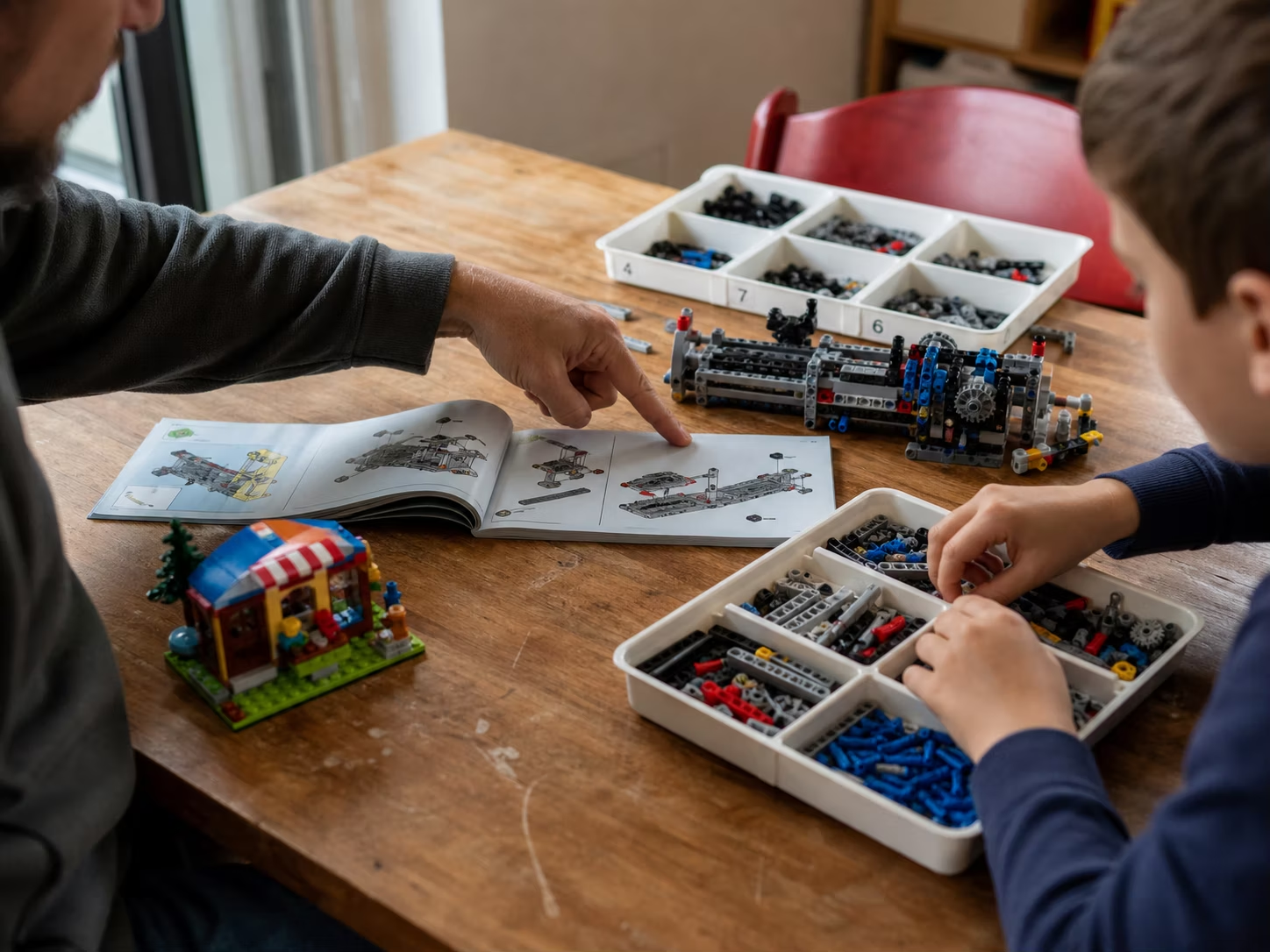
Recommended age, piece count, and difficulty are useful when choosing a building block set, but they describe different parts of the experience. Age guidance can reflect part size and expected building skills. Piece count suggests the amount of material in the box. Difficulty depends on the instructions, structure, color separation, repeated steps, and the builder's familiarity with construction models.
Looking at all three together leads to a better choice than relying on one number. This is especially important when selecting a gift, introducing a new builder to the hobby, or moving from smaller sets to longer display projects.
Understand What Recommended Age Can Tell You
Recommended age is a starting point, not a complete description of the builder. Two people of the same age may have very different levels of patience, spatial awareness, fine motor control, and experience following visual instructions.
For a younger builder, consider whether an adult will build alongside them. Shared building can make a more detailed model approachable, but the set should still suit the household's expectations for small parts and supervision. Always review the product's age information rather than assuming that a colorful theme is intended for a particular age group.
For teenagers and adults, age labels often help distinguish simpler play-oriented builds from longer display or mechanical projects. The subject still matters: a motivated builder may enjoy a challenging train or vehicle more than an easier model in a theme they do not care about.
Treat Piece Count as a Time and Scale Clue
A larger piece count often means a longer build, but it does not guarantee a larger finished model. Small decorative elements can increase the count without adding much size. A long vehicle or ship may use larger panels and have fewer pieces than a dense architectural model.
Use piece count to estimate commitment, then verify the finished dimensions. A high piece count can be enjoyable for someone who wants a project across several sessions. It may be frustrating for a first-time builder who expected a quick result.
When buying a gift, think about where the recipient will build. Larger sets require table space for parts sorting as well as room for the finished model. If space is limited, a smaller but visually focused set may provide a better experience.
Look Beyond the Number to Judge Difficulty
Difficulty comes from how the model is organized. Repeated sections can make a large building predictable, while a smaller mechanical assembly may require careful orientation and close attention to connection points.
Look for these signals:
- Many similar colors or small parts that are easy to confuse
- Angled structures that change direction frequently
- Internal mechanisms or moving connections
- Mirrored left and right assemblies
- Large repeated patterns that require consistency
- Delicate decorative sections added near the end
- Instructions that divide the build into clear stages or numbered bags
Product descriptions and images should help explain the intended experience. Our article on choosing high-quality building block sets lists other information worth checking before purchase.
Match the Theme to the Builder
Interest creates patience. A builder who loves trains may be willing to complete repeated wheel and carriage sections. Someone interested in architecture may enjoy walls, windows, and roof patterns. A collector may prefer a detailed static model, while another builder may value moving features.
Browse JIESTAR product categories with the recipient's interests in mind. Compare vehicles, trains, architecture, flowers, space, engineering models, and other directions before deciding on size. Theme is not a decorative detail; it affects whether the builder wants to return to the project.
Plan for the Building Environment
The right difficulty also depends on the environment. A large project benefits from a surface where parts can remain sorted between sessions. If the table must be cleared every day, smaller stages or storage trays can reduce frustration.
Good lighting makes color and small-part identification easier. A quiet space helps when the instructions require attention. For family building, decide in advance whether one person will lead the instructions or whether tasks will be divided by section.
Keep the product SKU and instruction manual available until the set is complete. If a required part cannot be found after checking the bags and previous steps, JIESTAR provides a missing piece support route.
Use a Simple Selection Checklist
Before choosing a set, confirm:
- The recommended age and small-parts guidance suit the builder
- The theme matches a real interest
- The piece count fits the expected time commitment
- The finished dimensions fit the available display space
- The instructions and structure appear appropriate for the builder's experience
- There is a clear place to request support if a required part is missing
These checks are more reliable than choosing only by the largest box or highest piece count.
Frequently Asked Questions
Does a higher piece count always mean a harder build?
No. A high-count model may use repeated patterns, while a smaller set may contain more complex angles or mechanisms. Piece count and difficulty should be reviewed separately.
Should I choose above the recommended age for an experienced child?
Review the specific product information and consider adult supervision, small parts, instruction complexity, and the child's actual experience. The printed guidance should not be ignored simply because the child has completed other sets.
What is the best first set for a new builder?
Choose a theme they already like, a manageable build length, clear instructions, and a finished model they will want to keep. Motivation and a successful first experience matter more than maximizing piece count.
Explore JIESTAR
Browse building block sets or contact JIESTAR for wholesale supply, OEM / ODM customization, product co-development, and sub-brand partnerships.
Continue reading