
Wholesale Ship Building Block Sets: Display and Packaging Checklist
Plan a ship building block assortment with separate checks for assembled display space, retail packaging, carton data and sample approval.

Check the assembled model and the retail box separately
A ship building block set needs two space plans: one for the assembled display and one for the packaged product. For a retailer preparing a wholesale shortlist, recording both helps turn an attractive model into a clear merchandising brief.
The JIESTAR MOSS Type LNG Vessel, SKU X78009 provides a concrete example. Its public specification, checked on October 15, 2026, lists an assembled model size of 55 x 19.7 x 11.2 cm and a package size of 36 x 29.5 x 10 cm. These are different measurements for different planning tasks. The product page lists 1,342 pieces; that count alone does not tell a buyer how much display or storage space to reserve.
Use the current product record as a starting point, then confirm the dimensions and orientation against the sample and packaging specification for the version being ordered. Keep the SKU beside every measurement so that a photograph, sample and quotation can be matched.
Write a display brief before selecting quantities
Start with the place where customers will see the assembled model. Measure the usable shelf area and clearance around it. Decide whether the display will sit behind glass, on an open shelf or beside boxed stock. Ask whoever prepares the display to check access for moving the model and cleaning the shelf.
For a long vessel model, a shelf photograph with measurements can communicate the display constraint more clearly than a request for a large or impressive set. Check the stand, projecting details and viewing angle with the actual sample rather than assigning a universal allowance to every ship.
Record a short brief for each shortlisted SKU:
- Available display space and the preferred viewing direction.
- Whether a built sample is needed for a shop, showroom or product photography.
- The package orientation customers will see on the shelf.
- Which product details staff need to explain when customers compare sets.
Browse the Ships & Boats collection to choose candidates, then compare each candidate with the same brief. A themed assortment can contain different model shapes; those differences should be reflected in the display plan.
Keep retail packaging and shipping carton data separate
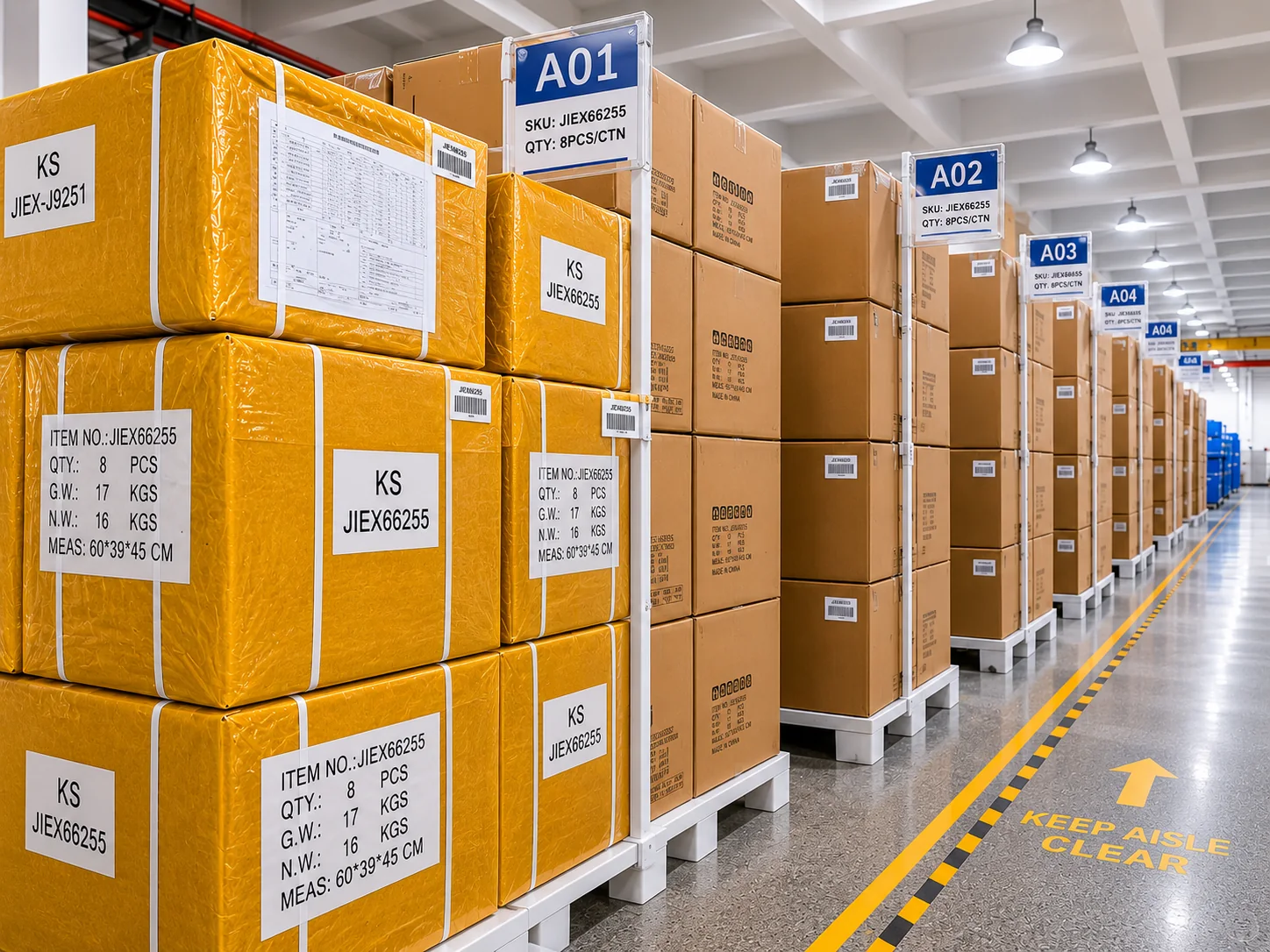
The retail box measurement is useful for a shelf or storage-bin check. A freight discussion also needs the actual shipping configuration. Request carton dimensions, gross weight and the number of sets per carton for the proposed order. Ask the supplier to identify whether the figures describe a single retail unit or a packed shipping carton.
Avoid deriving a freight quote from the assembled model size. Also avoid treating a retail box size as confirmation of carton packing, protective materials or carrier charges. Supply the destination and intended quantities so the shipping proposal can be reviewed on a defined basis.
If packaging will change, keep that work attached to a specific product version. A new box design should have its own approval record and confirmed dimensions. The custom packaging preparation guide covers the artwork and packaging questions to resolve before approval.
Give the sample review a written outcome
Ask for a sample review that produces a decision and a list of open questions. Record the SKU, packaging version and date beside photographs of the reviewed sample. Useful observations include whether the model fits the intended display, whether the instructions and pack contents match the agreed specification, and whether the box presents the product clearly in the planned retail position.
Assign each unresolved item an owner and a next step. For example, a missing carton weight belongs in the logistics follow-up; a question about artwork belongs in the packaging review. Keep those items visible when discussing the order so that a visually approved model is not mistaken for a fully confirmed commercial specification.
This checklist is a purchasing aid. Product-specific testing and documentation should be reviewed separately for the intended market with the appropriate advisers. The Quality & Safety page provides an entry point for discussing the relevant product information.
Send a shortlist that can be quoted
Combine the display brief with SKU-level quantities, packaging preferences and destination details. State which items are confirmed and which still depend on sample review. For the commercial questions, use the MOQ, pricing and shipping guide to keep quotation requests consistent.
Send your ship model shortlist through wholesale inquiry. If the brief involves packaging changes or a product development proposal, use Custom Solutions and include the same display and packaging constraints. That gives the discussion a practical starting point for reviewing the product, its presentation and the proposed order together.
Explore JIESTAR
Browse building block sets or contact JIESTAR for wholesale supply, OEM / ODM customization, product co-development, and sub-brand partnerships.
Continue reading
Related articles

Wholesale Tips
Building Block RFQ Checklist: What Buyers Should Prepare
Jul 10, 2026 · 5 min read
Wholesale Tips
How Amazon Sellers Can Source Building Block Sets from a Manufacturer
Jul 2, 2026 · 3 min read

Wholesale Tips
Building Block Sets Wholesale: MOQ, Pricing, Packaging and Shipping
Jul 2, 2026 · 4 min read