
Private Label Building Blocks for Retailers and Brands
Plan private label building blocks for your store or brand: choose a product range, define branding, review samples, and confirm exclusive SKU scope.
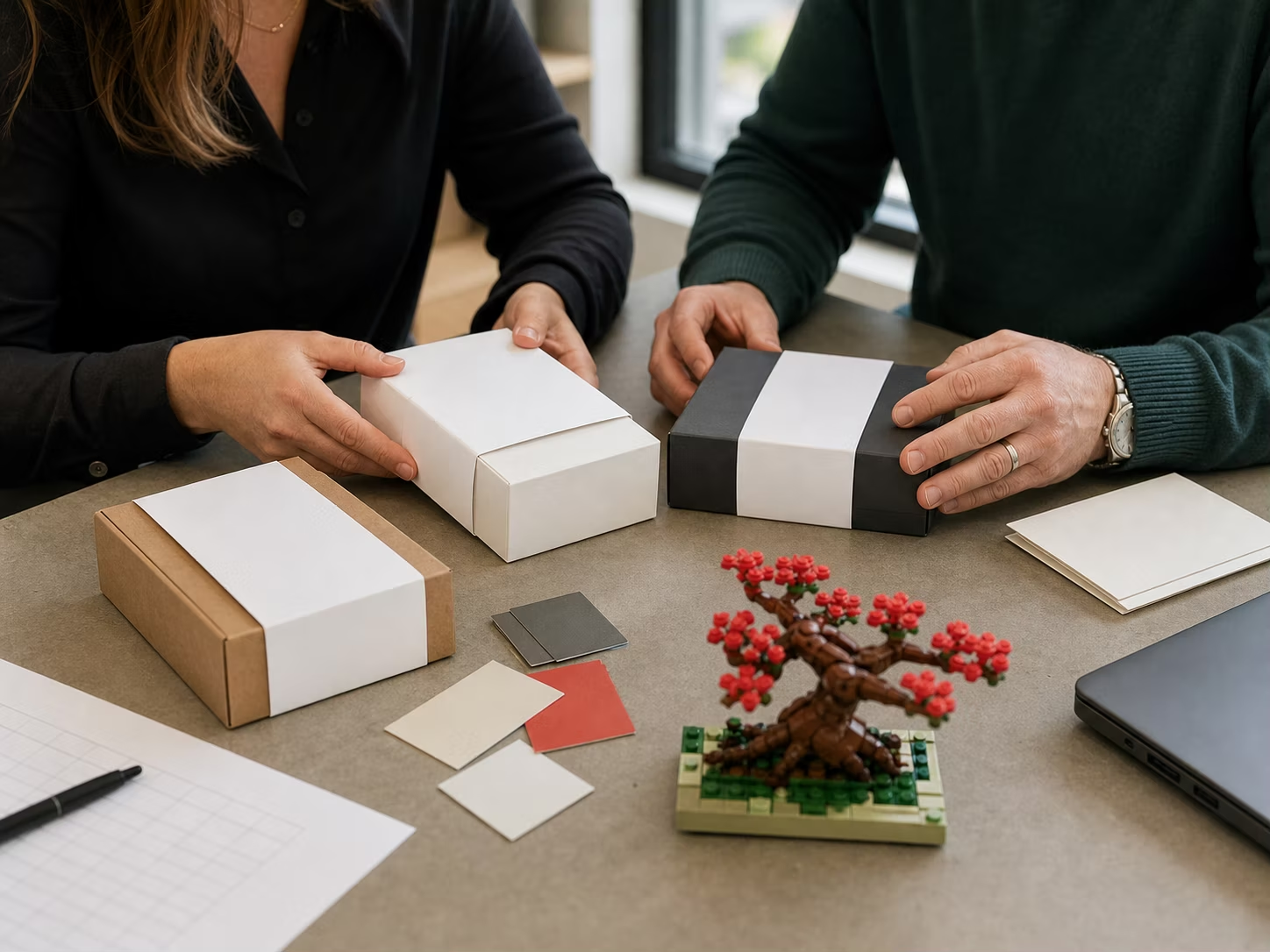
Private label building blocks start with a product range and a brand brief. A retailer may want selected sets presented under its own brand, while another partner may need a distinct model or a coordinated product line. These are different project scopes, even when both begin with packaging discussions.
Use this guide to decide what should change, what can stay with an existing product direction and what needs a separate feasibility review.
Define the Product and Branding Scope
Separate the project into three parts before requesting pricing:
- Product: the selected model, an adapted model or a new development direction
- Brand presentation: product name, box artwork, logo placement and instruction language
- Cooperation: a single order, a recurring range or a proposed exclusive product line
A new logo on a box does not by itself define model changes or exclusive supply. Ask which existing products are suitable for the proposed branding, and confirm each approved element in the project specification. Packaging-only requirements can be described directly without deciding an OEM or ODM label first.
Build a Focused Retail Assortment
Choose the audience and selling context before expanding the SKU list. For a gift-oriented range, you might compare flower and botanical sets. For a model display range, review vehicles, ships and boats or architecture and street scenes.
These are starting points for selection, not a promise that every listed model is available for private label use. Share the exact products you are considering, your intended channel and quantities per model. Check the relevant dimensions, age recommendation, instructions and packaging for each selection.
Prepare a Brand Brief That Can Be Reviewed
Include your brand name, approved logo files, color references, preferred product naming and packaging examples. Identify which artwork and reference materials you can authorize for the project. Explain what each reference demonstrates, such as a box format or visual direction, rather than treating a reference image as a finished specification.
List every required language version and who will approve the text. If you want branding on the model itself, identify its location and intended appearance separately from box printing. See the custom packaging checklist for production-file and proof-review questions.
Review Samples Before Planning the Launch
Agree what the sample review covers: the model, build instructions, artwork proof, physical box or the complete proposed retail pack. Confirm any sample charges, revision steps and delivery timing for the actual scope.
Review model presentation, instructions, product naming and packaging together. Record the approved version and unresolved changes so a later revision does not silently replace an earlier decision. Ask which product-specific documents are available for your intended market through Quality and Safety.
Confirm MOQ, Costs and Repeat-Order Requirements
Request a quotation that separates product supply from development, printed materials and other project charges where applicable. State quantities per SKU and per packaging or language version. Confirm MOQ and the proposed schedule after the scope is clear; this guide does not promise a fixed quantity or launch lead time.
For repeat orders, ask how the approved specification, artwork version and product references will be identified. Discuss any planned changes before assuming the same price or timing applies. The wholesale quotation guide explains the packing and shipping details to compare.
Discuss Exclusive SKUs and Longer-Term Cooperation
If exclusivity matters to your business plan, specify the product or version, market, channels and intended duration you want to discuss. Ask how these points would be recorded and which commercial conditions would apply. Private label presentation should not be treated as an automatic agreement to exclusive supply.
JIESTAR's Custom Solutions route covers exclusive SKU discussions, product co-development and long-term sub-brand cooperation. A broader program needs a product-line brief as well as an initial order plan.
FAQ
Do private label building blocks require a new model?
Not necessarily. A project can begin with selected catalog directions and branding requirements, subject to product suitability and approval. A different model structure needs a separate development review.
Can I request exclusive supply with my branding?
You can raise the request. The scope and terms need explicit agreement; packaging approval alone does not establish exclusivity.
Should I start with wholesale or a custom inquiry?
Use wholesale for existing product supply. Use Custom Solutions when branding, model changes or an exclusive range form part of the brief. The OEM and ODM guide helps separate design responsibilities.
Start Your Private Label Brief
Send your audience, proposed model list, quantities, brand requirements and target launch date through Custom Solutions. Mark undecided items clearly so the next discussion can focus on feasibility and the choices still needed.
Explore JIESTAR
Browse building block sets or contact JIESTAR for wholesale supply, OEM / ODM customization, product co-development, and sub-brand partnerships.
Continue reading
Related articles
Custom Solutions
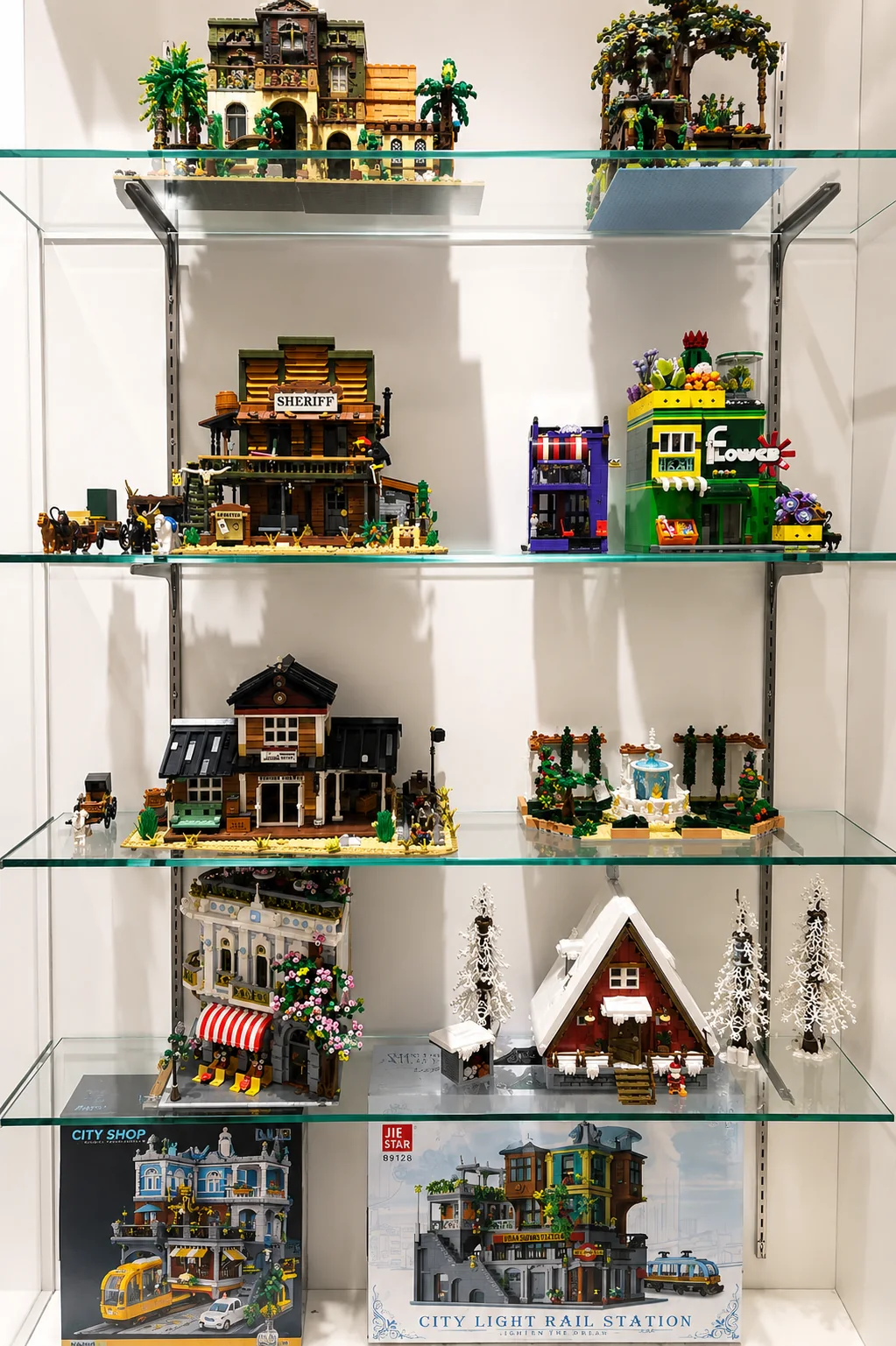
How to Build a Building Block Product Line with a Manufacturer
Jul 10, 2026 · 5 min read
Custom Solutions
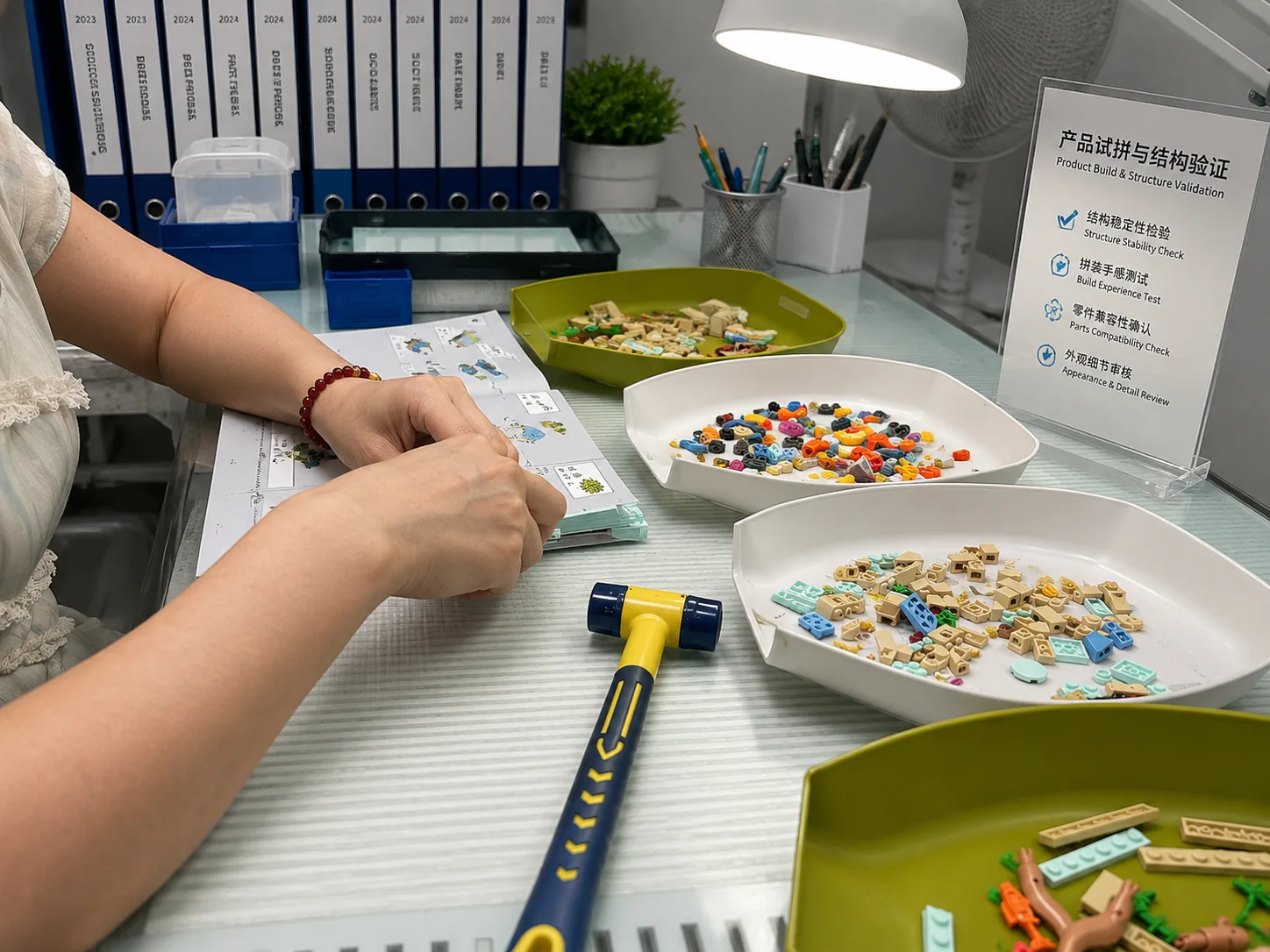
Custom Building Block Sets: From Concept to Mass Production
Jul 2, 2026 · 4 min read
Custom Solutions
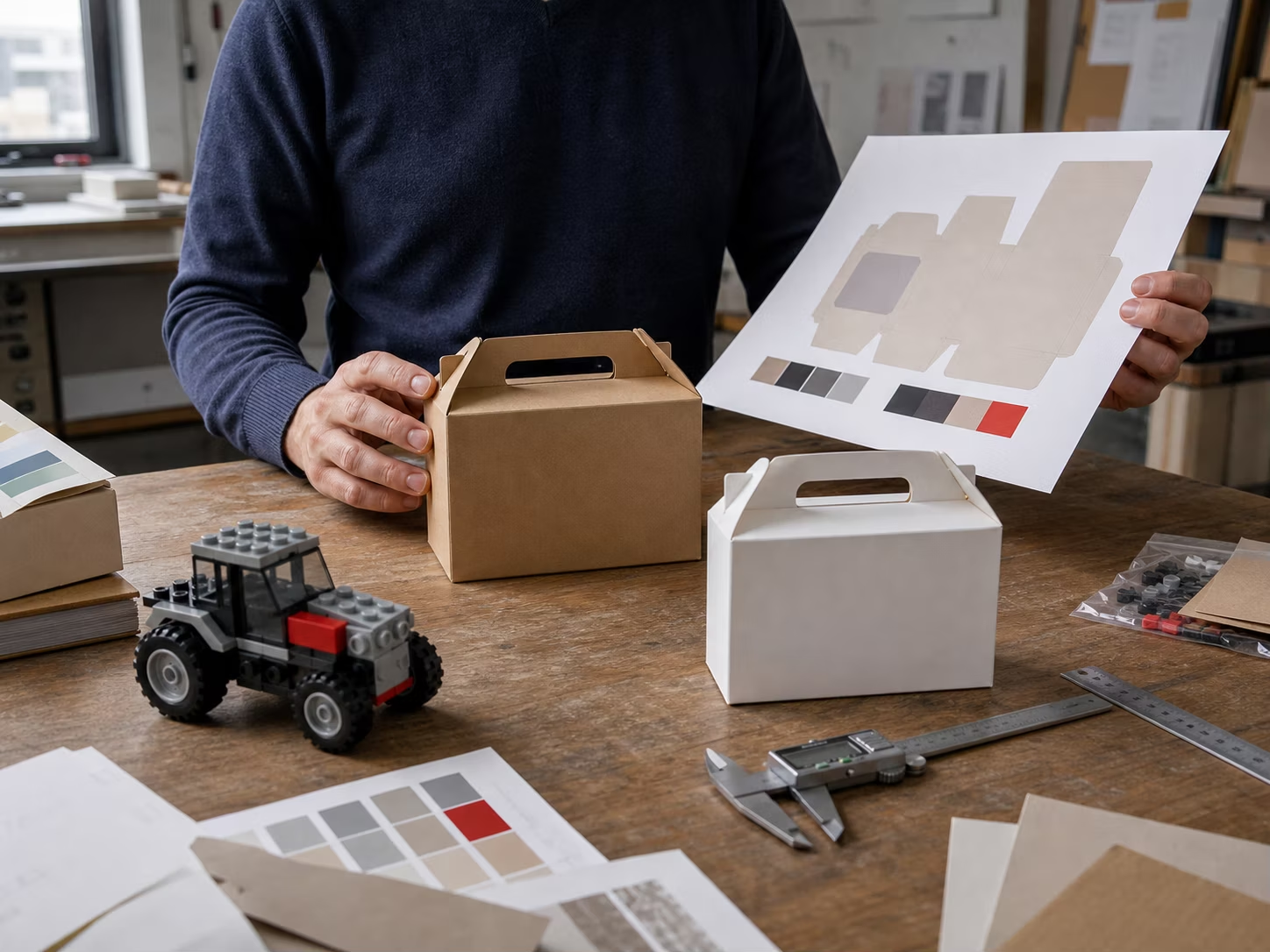
Custom Packaging for Building Block Toys: What Buyers Need to Prepare
Jul 2, 2026 · 4 min read